Air pollution is the contamination of the indoor or outdoor environment by harmful chemical, physical, or biological agents that alter the natural characteristics of the atmosphere. It is a critical environmental and global health crisis, with
World Health Organization (WHO) data showing that
99% of the global population breathes air that exceeds safe quality limits.
Key Air Pollutants
- Particulate Matter (PM2.5 & PM10): Microscopic solids or liquid droplets that penetrate deep into the lungs and bloodstream.
- Carbon Monoxide (CO): A toxic, odorless gas produced by incomplete fuel combustion.
- Sulfur Dioxide (SO2) & Nitrogen Oxides (NOx): Gases from burning fossil fuels that cause respiratory issues and acid rain.
- Ground-Level Ozone (O3): A major component of smog created when vehicular and industrial emissions react with sunlight.
Major Causes
- Fossil Fuel Combustion: Emissions from motor vehicles, airplanes, and transport networks.
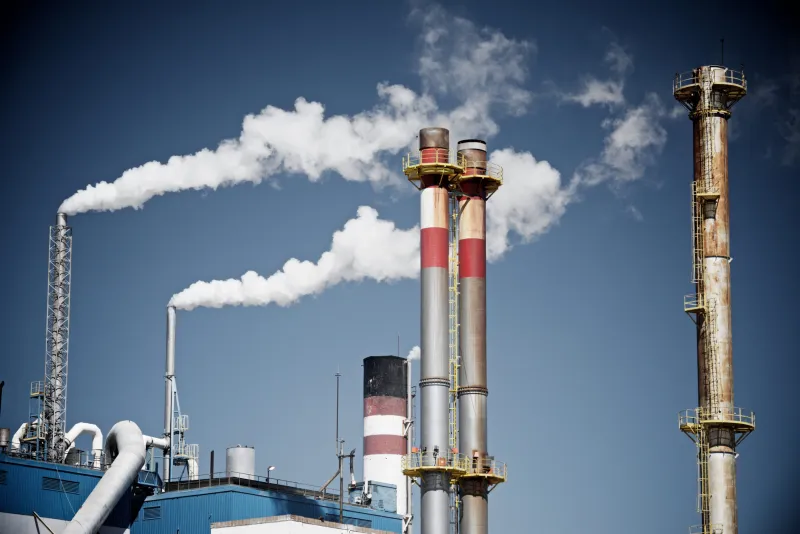
- Industrial Operations: Smoke, toxic chemicals, and heavy waste gases released from factories and power plants.
- Agricultural Activities: Release of ammonia gas and methane from livestock and fertilizers.
- Natural Sources: Wildfires, volcanic eruptions, and desert dust storms.
Disastrous Effects
- Human Health: Causes respiratory disorders (like asthma and bronchitis), cardiovascular diseases, lung cancer, and millions of premature deaths annually.
- Environmental Impact: Triggers acid rain that damages buildings and ecosystems, depletes the ozone layer, and accelerates global warming.
Control Measures
- Shifting to clean, renewable energy sources like solar and wind power.
- Promoting public transport, electric vehicles, and energy conservation.
- Installing industrial filters and scrubbers to capture pollutants before they enter the atmosphere.
- Expanding green cover through afforestation to naturally filter air.







১৪
২৪ মন্তব্য